
Table of Contents
Introduction
Managing physician compensation isn’t as straightforward as cutting checks and calling it a day. Hospitals deal with layered contracts, shifting regulatory requirements, and provider expectations that change month to month. Medicare reimbursements now hinge on accurate time studies, and even minor missteps can snowball into costly audits.
On-call schedules bring their own chaos, like missed entries, manual tracking, or confused approvals. Add performance-based incentives, and the whole thing turns into a high-stakes balancing act. Health systems need more than spreadsheets and a positive outlook. They need provider compensation platforms that actually reduce friction and help them pay accurately without chasing signatures or digging through email threads.
Why Compensation Management Software Matters in Healthcare
Health systems deal with tangled contracts, dozens of provider types, and a stream of regulatory updates that seem to never quit. Compensation isn’t one model, it’s ten. Some tie to wRVUs, others to quality scores, patient satisfaction, monthly draws, or full risk. Add in medical directorships, call coverage, locum providers, GME, academic duties, and you’ve got a mess that spreadsheets can’t clean up.
Missed documentation opens the door to audit risk. Inaccurate payments drain budgets or damage trust with providers. Time studies tied to Medicare reimbursement need airtight tracking. On-call logs need to match payment rules down to the minute. Every error costs money or time or both.
What’s worse is that none of this stands still. Contracts expire, specialties shift, guidelines change. Teams need something built for this level of chaos. They need a tool that handles the details without making everything harder, and a platform that cuts the mess without cutting corners.
Must-Have Features of the Best Compensation Software
Time & Effort Tracking
Hospitals run on contracts. Some cover call, others cover admin duties, mid-level supervision, GME, or a mix of all four. Time & effort tracking software should handle every type, across every role, with clear records and quick approvals. It should replace scattered spreadsheets with one source of truth that can hold up under audit.
Call Management Automation
On-call coverage gets messy fast. One switch in the schedule can ripple through the payment process if it isn’t tracked right. Good software tracks call changes, sends real-time alerts, and logs hours automatically. It builds the timesheet without extra clicks and moves it through approvals without clogging someone’s inbox.
Performance-Based Modeling
Some providers earn based on productivity, others on quality. Many do both. Compensation software has to calculate everything from wRVUs to incentive targets with zero confusion. It should handle custom plans by specialty, flag outliers, and make sure the math checks out. Bonus points for predicting trends before they hit finance reports.
Real-Time Dashboards & Reports
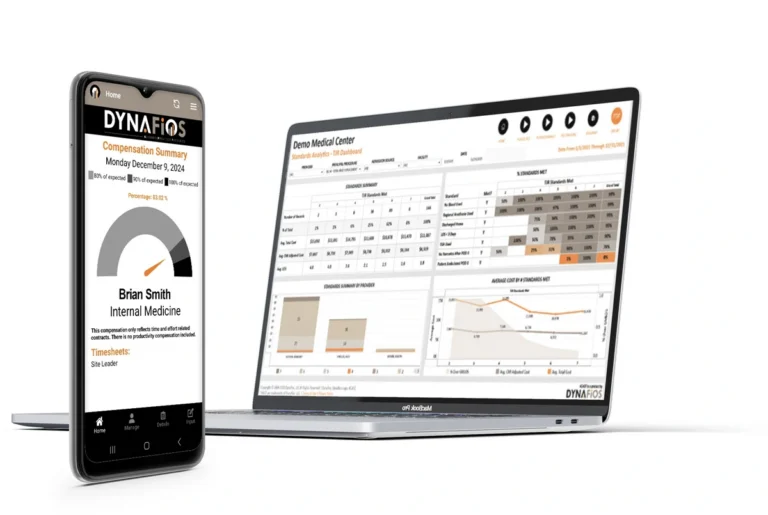
Every team needs to see different things. Dashboards should update in real time and give everyone what they need. That means contract metrics, payment status, provider performance, budget impact & outliers. No digging through folders or chasing down numbers.
Mobile Access
Approving time from a desktop works fine until someone’s out of office. Mobile access solves that. Providers and approvers can log hours, review entries, or check performance anytime, without waiting to get back to a desk.
Financial System Integration
The best software feeds data straight into payroll, ERP, or whatever the hospital uses to cut checks. It connects the final step so payment happens on time without scrambling.
How to Evaluate Software Options
Here’s what to look for before committing to a compensation platform:
Scalability
It should handle multi-specialty systems, support a wide range of provider types, and manage different contract models without needing custom patches every quarter.
Simple Onboarding
Providers and admins shouldn’t need manuals. Logging hours, approving entries, and pulling reports should feel obvious. If it takes more than a few minutes to figure out, it’s already too much.
Custom Compensation Models
Look for a system that supports wRVUs, quality incentives, flat rates, risk pools, monthly draws & other models. One-size doesn’t work. Flexibility keeps the comp process clean.
FMV Compliance Tools
Built-in tools that help track, validate, and document Fair Market Value are essential. Audit-readiness should come baked in—no extra steps, no scrambling later.
Security and Audit Controls
The platform must protect sensitive information. Encryption, role-based access, time-stamped activity logs—non-negotiable.
Ongoing Support and Updates
You need people you can reach. Software should evolve with changing rules, contracts, and reporting needs. Regular updates and live support make that possible.
The right tool should reduce friction. It should make compensation easier to manage, not harder to explain.
The Dynafios Advantage
Dynafios builds compensation management software around the realities that health systems face every day.
Time Studies
Medicare time studies demand precision. The Dynafios Time Studies module tracks entries, monitors participation, and generates audit-ready reports without manual spreadsheets. Providers log and approve time inside defined study periods. Finance teams pull clean data for cost reports without chasing missing entries.
Performance-Based Compensation (PBC)
The PBC module connects pay to productivity and quality metrics in a clear, measurable way. It calculates wRVUs, incentive targets, draw models & specialty-specific plans within a single system. Leaders see performance data in real time. Providers understand how compensation ties to outcomes.
Time & Effort
Medical directorships, GME oversight, call stipends, supervision agreements – every hour counts. The Time & Effort module centralizes tracking across roles and contracts. It creates audit trails, controls budgets, and feeds approved data into financial systems.
Call Management
Call schedules shift constantly. Dynafios logs changes, updates stakeholders, and converts call activity into accurate timesheets for payment. That reduces disputes and tightens payment accuracy.
Dynafios works side-by-side with health systems. Teams gain clarity, tighter compliance, and better financial control without adding complexity.
Key Takeaways
- Physician compensation has become more complex, with multiple models, shifting rules, and rising audit risk. Old systems no longer keep up.
- Missed documentation, manual tracking, and messy schedules hurt revenue and create compliance issues. Medicare reimbursements depend on accurate time studies, on-call logs, and clean approval trails.
- The best compensation software handles time tracking, call schedules, performance-based models, reporting, and payment workflows in one place.
- Must-have features include: real-time dashboards, mobile access, payroll integration, flexible compensation logic, and security that protects sensitive data.
- When choosing a solution, look for tools that scale across specialties, support custom plans, simplify onboarding, and offer reliable updates and support.
- Dynafios offers modules built for healthcare—from time studies to call management—and helps hospitals replace chaos with clear processes and accurate payments.
- Better systems don’t just make life easier. They prevent errors, protect revenue, and give teams the clarity they need to work with confidence.